Mindset and Relationships: How to Improve Communication, Connection, and Conflict Resolution Through a Growth-Oriented Mindset
Relationships are complex, and they require effort, patience, and understanding. Communication, connection, and conflict resolution are all essential elements of a healthy relationship. However, these aspects can be challenging and lead to misunderstandings, disagreements, and even breakups. One of the most crucial factors that can improve these aspects of a relationship is having a growth-oriented mindset.
What is a Growth-Oriented Mindset?
A growth-oriented mindset is a way of thinking that focuses on progress, learning, and improvement. It is a mindset that believes that challenges and setbacks are opportunities for growth and development. Instead of fearing failure, those with a growth-oriented mindset embrace it as a chance to learn and improve.
How Can a Growth-Oriented Mindset Improve Communication?
Communication is vital in any relationship, and a growth-oriented mindset can improve it significantly. Those with a growth-oriented mindset are open to feedback, willing to listen, and eager to learn. They don’t see criticism as a personal attack, but rather as an opportunity to grow and improve. This attitude can help improve communication in several ways:
1. Encourages open and honest communication: When people are not afraid to speak their minds, it can lead to more open and honest communication. A growth-oriented mindset encourages people to be curious and ask questions, which can lead to a deeper understanding of each other.
2. Improves active listening: Active listening is an essential part of effective communication. Those with a growth-oriented mindset are more likely to listen actively because they are interested in learning and understanding.
3. Promotes empathy: Empathy is the ability to understand and share the feelings of others. A growth-oriented mindset encourages empathy because it helps people understand each other better. When people can empathize with each other, it leads to better communication and connection.
How Can a Growth-Oriented Mindset Improve Connection?
Connection is the emotional bond that people share in a relationship. It is what makes a relationship meaningful and fulfilling. A growth-oriented mindset can improve connection by:
1. Encouraging vulnerability: Vulnerability is the willingness to be open and honest about one’s feelings. A growth-oriented mindset encourages vulnerability because it recognizes that it is a necessary part of growth and connection.
2. Promoting understanding: Understanding is the foundation of connection. A growth-oriented mindset promotes understanding because it encourages people to be curious and ask questions.
3. Fostering trust: Trust is essential in any relationship. A growth-oriented mindset fosters trust because it encourages people to be open and honest with each other. When people trust each other, they are more likely to feel connected and fulfilled in their relationship.
How Can a Growth-Oriented Mindset Improve Conflict Resolution?
Conflict is a natural part of any relationship, but how it is resolved can make or break a relationship. A growth-oriented mindset can improve conflict resolution by:
1. Encouraging problem-solving: A growth-oriented mindset encourages problem-solving because it recognizes that challenges are opportunities for growth and development.
2. Promoting compromise: Compromise is a necessary part of conflict resolution. A growth-oriented mindset promotes compromise because it recognizes that it is essential for maintaining a healthy relationship.
3. Fostering forgiveness: Forgiveness is critical in conflict resolution. A growth-oriented mindset fosters forgiveness because it recognizes that everyone makes mistakes and that it is an opportunity for growth and learning.
In conclusion, a growth-oriented mindset is a powerful tool that can improve communication, connection, and conflict resolution in any relationship. By focusing on progress, learning, and improvement, those with a growth-oriented mindset can create deeper, more meaningful relationships that are
MINDSET AND MINDFULNESS
Mindset and Mindfulness: How to Achieve Greater Clarity, Calm, and Creativity Through Mindful Thinking
In today’s fast-paced world, where everything is moving at lightning speed, it’s easy to lose sight of what’s important. We often find ourselves feeling overwhelmed, stressed, and anxious, which can negatively impact our mindset and creativity. However, by practicing mindfulness, we can achieve greater clarity, calm, and creativity in our lives.
Mindfulness is the practice of being present and fully engaged in the current moment. It involves paying attention to our thoughts, feelings, and surroundings without judgment. By practicing mindfulness, we can learn to calm our minds, reduce stress and anxiety, and improve our overall well-being.
Here are some tips on how to achieve greater clarity, calm, and creativity through mindful thinking:
1. Start with small steps
Mindfulness is not something that can be achieved overnight. It takes time and practice to develop a mindful mindset. Start by setting aside a few minutes each day to practice mindfulness. You can start with 5-10 minutes of meditation, focusing on your breath or a specific object.
2. Focus on the present moment
One of the key principles of mindfulness is to focus on the present moment. Our minds often wander, and we get caught up in thoughts about the past or worries about the future. By focusing on the present moment, we can reduce stress and anxiety and improve our overall well-being.
3. Practice gratitude
Gratitude is a powerful tool for cultivating a positive mindset. Take a few minutes each day to reflect on the things you’re grateful for. This can help shift your focus from negative thoughts to positive ones, improving your mindset and creativity.
4. Embrace change
Change is a natural part of life, and embracing it can help us grow and develop. Rather than resisting change, try to embrace it with an open mind. This can help you stay present and focused, improving your creativity and overall well-being.
5. Take breaks
Taking breaks is essential for maintaining focus and creativity. When you’re feeling overwhelmed or stressed, take a few minutes to step away from your work and practice mindfulness. This can help you return to your work with a clear mind and renewed energy.
In conclusion, mindfulness is a powerful tool for achieving greater clarity, calm, and creativity in our lives. By practicing mindfulness, we can learn to calm our minds, reduce stress and anxiety, and improve our overall well-being. So, start small, focus on the present moment, practice gratitude, embrace change, and take breaks. These simple steps can help you achieve a more mindful mindset, leading to greater clarity, calm, and creativity in your life.
MINDSET AND MOTIVATION
Mindset and Motivation: How to Stay Focused and Driven in Pursuit of Your Goals
Mindset and motivation are crucial components when it comes to achieving your goals. Without the right mindset and motivation, it can be difficult to stay focused and driven in the pursuit of your dreams. Here are some tips to help you stay focused and motivated:
1. Develop a growth mindset. A growth mindset is the belief that your abilities and talents can be developed through hard work and dedication. This mindset can help you to stay motivated and focused on your goals, even when faced with challenges or setbacks.
2. Set specific and measurable goals. Setting specific and measurable goals helps you to stay focused and motivated. Write down your goals and break them down into smaller, achievable steps. This will help you to track your progress and stay motivated along the way.
3. Find your why. Understanding the reasons behind your goals can help you to stay motivated and focused. Ask yourself why you want to achieve your goals and what they mean to you. This will help you to stay motivated and committed, even when faced with obstacles.
4. Create a plan and stick to it. Creating a plan and sticking to it can help you to stay focused and motivated. Break down your goals into smaller, achievable steps and create a plan for achieving them. Stick to your plan and track your progress along the way.
5. Surround yourself with positive influences. Surrounding yourself with positive influences can help you to stay motivated and focused. Find people who support and encourage you, and avoid negative influences that can bring you down.
6. Celebrate your successes. Celebrating your successes can help you to stay motivated and focused. Take time to celebrate your achievements, no matter how small they may be. This will help you to stay motivated and committed to your goals.
In conclusion, mindset and motivation are crucial components when it comes to achieving your goals. Developing a growth mindset, setting specific and measurable goals, finding your why, creating a plan and sticking to it, surrounding yourself with positive influences, and celebrating your successes can help you to stay focused and driven in pursuit of your dreams. With these tips, you can stay motivated and committed to achieving your goals, no matter what challenges or setbacks you may face along the way.
CULTIVATING A SUCCESS MINDSET
Cultivating a Success Mindset: Habits, Rituals, and Practices for Achieving Your Potential
Cultivating a success mindset is all about developing habits, rituals, and practices that help you to achieve your highest potential. Whether you’re an entrepreneur, a student, or a professional, having a success mindset can make all the difference in achieving your goals and living a fulfilling life.
Here are some helpful tips for cultivating a success mindset:
1. Start with a positive mindset. A positive mindset is the foundation of success. Start your day with positive affirmations and focus on the things that are going well in your life. Surround yourself with positive people and avoid negative influences that can bring you down.
2. Set clear goals. Having clear goals helps you to stay focused and motivated. Write down your goals and create a plan for achieving them. Break your goals down into smaller, manageable steps and celebrate your progress along the way.
3. Develop a routine. A routine can help you to stay on track and make progress towards your goals. Create a daily routine that includes time for exercise, meditation, and other self-care practices. This will help you to stay focused, energized, and productive throughout the day.
4. Practice gratitude. Gratitude is a powerful tool for cultivating a success mindset. Take time each day to reflect on the things that you’re grateful for. This will help you to stay positive and focused on the things that matter most in your life.
5. Learn from failure. Failure is a natural part of the journey towards success. Instead of getting discouraged by failure, use it as an opportunity to learn and grow. Reflect on what went wrong and what you can do differently next time.
By cultivating a success mindset, you can achieve your highest potential and live a fulfilling life. Remember to stay positive, set clear goals, develop a routine, practice gratitude, and learn from failure. With these habits, rituals, and practices, you can create a life that is full of success and happiness.
MINDSET MASTERY
Mindset Mastery: Strategies for Developing a Resilient, Resourceful, and Results-Focused Mindset
We all face challenges and setbacks in our personal and professional lives, but how we respond to these obstacles can make all the difference. A resilient, resourceful, and results-focused mindset can help us navigate difficult situations and achieve our goals with confidence and success. In this blog post, we’ll explore strategies for developing a mindset that can help you master any challenge.
1. Practice Self-Awareness
The first step in developing a resilient mindset is to become aware of your thoughts and beliefs. Make a conscious effort to pay attention to your internal dialogue and the stories you tell yourself when faced with difficulty. Notice any negative patterns or limiting beliefs that may be holding you back.
2. Challenge Limiting Beliefs
Once you’ve identified your negative thought patterns, challenge them! Ask yourself if they’re really true, or if you’re simply telling yourself a story that’s holding you back. Reframe negative beliefs into positive affirmations, such as “I can handle anything that comes my way” or “I learn and grow from every experience.”
3. Cultivate an Attitude of Growth
Instead of seeing obstacles as insurmountable hurdles, reframe them as opportunities for growth and learning. Reframe mistakes and failures as chances to learn and improve, rather than evidence of your limitations. Celebrate small wins and progress towards your goals, rather than focusing only on the end result.
4. Embrace Discomfort
Growth and change often come with discomfort. Instead of avoiding discomfort or pain, lean into it. Challenge yourself to step outside of your comfort zone and try new things. Approach challenges with a sense of curiosity and willingness to learn and grow.
5. Build a Support Network
Surround yourself with people who share your mindset and values. Seek out mentors, coaches, and peers who can support and guide you on your journey. Build relationships with people who challenge and inspire you to be your best self.
6. Continuously Learn and Improve
A resilient mindset is not something that’s achieved overnight, but rather an ongoing journey of growth and development. Make a commitment to continuously learn and improve, by reading books, attending workshops, seeking feedback, and practicing new skills.
In conclusion, developing a resilient, resourceful, and results-focused mindset is essential for mastering any challenge. By cultivating self-awareness, challenging limiting beliefs, embracing discomfort, building a support network, and continuously learning and improving, you can build a mindset that will help you navigate any challenge with confidence and success.
THE SCIENCE BEHIND MINDSET

The Science Behind Mindset: How Thoughts and Beliefs Impact Your Brain, Behavior and Relationships
Your mindset is a powerful tool that can have a profound impact on your life. The way you think about yourself, your abilities and your life in general can either hold you back or propel you forward towards your goals. Scientists have conducted extensive research into the science behind mindset and have discovered that our thoughts and beliefs have a significant impact on our brain, behavior and relationships. In this article, we’ll explore the science behind mindset and how it can shape our lives.
The Impact of Thoughts and Beliefs on the Brain
Our thoughts and beliefs influence the structure and function of our brains. Neuroplasticity is the brain’s ability to change and reorganize itself in response to experiences and learning. When we consistently think and believe in a certain way, the neural pathways in our brain become stronger, making it easier for us to continue thinking and believing in that way.
For example, if you consistently think negative thoughts about yourself, your brain will strengthen the neural pathways that support those thoughts and beliefs. Over time, you may find it increasingly difficult to think positively about yourself and your abilities. On the other hand, if you consistently think positively about yourself and your abilities, your brain will strengthen the neural pathways that support those thoughts and beliefs, making it easier for you to continue thinking positively.
The Impact of Thoughts and Beliefs on Behavior
The way we think and believe about ourselves also influences our behavior. When we hold limiting beliefs, we tend to avoid taking risks and trying new things, which can limit our personal and professional growth. On the other hand, when we hold empowering beliefs, we tend to take more risks, try new things and push ourselves out of our comfort zones, which can lead to greater success and fulfillment.
For example, if you believe that you’re not good at public speaking, you may avoid opportunities to speak in public, which can limit your career advancement. However, if you believe that you can become a great public speaker with practice and effort, you may be more likely to seek out opportunities to speak in public and develop your skills.
The Impact of Thoughts and Beliefs on Relationships
Our mindset also plays a significant role in our relationships with others. When we have a positive, growth-oriented mindset, we tend to be more resilient, adaptable and open to learning from others. This can lead to more positive and fulfilling relationships with friends, family, coworkers and romantic partners.
On the other hand, when we have a negative, fixed mindset, we tend to be more closed-minded, defensive and resistant to feedback from others. This can lead to more conflict, misunderstandings and dissatisfaction in our relationships.
How to Develop a Positive, Growth-Oriented Mindset
Developing a positive, growth-oriented mindset isn’t always easy, but it’s possible with practice and effort. Here are a few tips to help you cultivate a more positive mindset:
1. Practice self-awareness: Pay attention to your thoughts and beliefs and be mindful of how they affect your behavior and emotions.
2. Challenge limiting beliefs: When you notice negative thoughts or limiting beliefs, challenge them with evidence and alternative perspectives.
3. Focus on growth and learning: Embrace challenges and failures as opportunities for growth and learning, rather than evidence of your limitations.
4. Surround yourself with positive, supportive people: Seek out friends, family and mentors who share your growth-oriented mindset and cultivate positive relationships with them.
In conclusion, the science behind mindset shows us that our thoughts and beliefs have a powerful impact on our brain, behavior and relationships. By cultivating a positive, growth-oriented mindset, we can achieve greater success, happiness and fulfillment in all areas of our lives.
Country of interest
What countries do you want to visit?
I’d love to visit Canada. I’ve always wanted to since I was little.
MINDSET MYTHS

Mindset Myths: Debunking Common Misconceptions About Growth, Fixed, and Entrepreneurial Mindsets
When it comes to achieving success and personal growth, mindset plays a crucial role. However, there are many misconceptions about different types of mindsets, such as the growth mindset, fixed mindset, and entrepreneurial mindset. In this blog post, we’ll debunk some of these myths and provide a clearer understanding of these different mindsets.
Myth #1: Growth mindset means you are always positive and optimistic.
Many people believe that having a growth mindset means you are always positive and optimistic, but that’s not necessarily true. While a growth mindset does involve having an open and curious attitude towards learning and improving, it doesn’t mean you’ll always feel happy or confident. Part of having a growth mindset is being willing to embrace challenges and failures as opportunities for growth, even if it means feeling uncomfortable or uncertain at times.
Myth #2: Fixed mindset means you can’t change.
Another common myth is that having a fixed mindset means you are stuck in your ways and unable to change. In reality, people with a fixed mindset often have a strong sense of identity and may find it difficult to accept or adapt to new experiences or challenges. However, with effort and practice, anyone can develop a growth mindset and overcome limiting beliefs or habits.
Myth #3: Entrepreneurial mindset is only for entrepreneurs.
While the term “entrepreneurial mindset” may imply that it’s only relevant for entrepreneurs or business owners, the truth is that having an entrepreneurial mindset can benefit anyone looking to create positive change or pursue their goals. The entrepreneurial mindset involves being proactive, taking calculated risks, and seeking out opportunities, all of which can be useful in any area of life.
Myth #4: Fixed mindset is bad, growth mindset is good.
Although having a growth mindset is generally seen as positive and beneficial for personal growth, it’s important to recognize that both mindsets have their strengths and weaknesses. For example, a fixed mindset can help you to maintain a strong sense of identity and focus on your strengths, while a growth mindset can help you to learn from mistakes and develop new skills. Ultimately, having a balance of both mindsets can be helpful in achieving success and personal growth.
In conclusion, understanding different mindsets and their misconceptions can help us to develop a more nuanced and effective approach to personal growth and success. By recognizing the strengths and limitations of different mindsets and striving to cultivate a balance between them, we can achieve greater success, happiness, and fulfillment in all areas of our lives.
SELF AWARENESS

Self-Awareness and Accomplishment: The Importance of Knowing Yourself
Self-awareness is often considered a crucial component of success and personal fulfillment. But what exactly does it mean to be self-aware? Simply put, self-awareness is the ability to identify and understand your own emotions, thoughts, and behaviors. It is about recognizing your strengths and limitations, and knowing how to use them to achieve your goals.
Self-awareness is an important factor in a variety of areas, including relationships, career development, and personal growth. In fact, research shows that individuals who are self-aware tend to be more confident, creative, and productive in their pursuits.
One area where self-awareness is particularly important is in achieving your goals. Accomplishing something significant requires a clear sense of what you want to achieve, why it’s important to you, and what obstacles you are likely to face along the way. And to do that, you need to have a clear understanding of yourself and your motivations.
When you are self-aware, you are better equipped to set realistic goals that align with your values and your skills. You will be able to identify areas where you need to improve and seek out opportunities to develop those skills. You will also be able to recognize when you are getting in your own way and make the necessary adjustments to stay on track.
So how can you become more self-aware and use it to achieve your goals? Here are some tips:
1. Take time to reflect – Set aside some time each day to reflect on your thoughts, emotions, and actions. This can include journaling, meditation, or simply taking a walk and observing your surroundings.
2. Seek out feedback – Ask friends, family, or colleagues to provide feedback on your performance, behaviors, and communication style. Use this feedback to identify areas for improvement and adjust your behavior accordingly.
3. Consider your values – Take some time to think about what matters most to you. This can help you to identify your priorities and set goals that align with your values.
4. Focus on your strengths – Identify your strengths and use them to your advantage. This can help you to build confidence and overcome obstacles more easily.
5. Get out of your comfort zone – Push yourself to try new things and take on new challenges. This can help you to grow and develop new skills, and also increase your self-awareness by identifying areas where you need to improve.
In conclusion, self-awareness is a key component of accomplishment and personal fulfillment. By understanding yourself and your motivations, you can set realistic goals and work towards achieving them in a purposeful and meaningful way. By taking the time to reflect, seek feedback, and focus on your values and strengths, you can become more self-aware and achieve greater success in all areas of your life.
POSITIVE THINKING
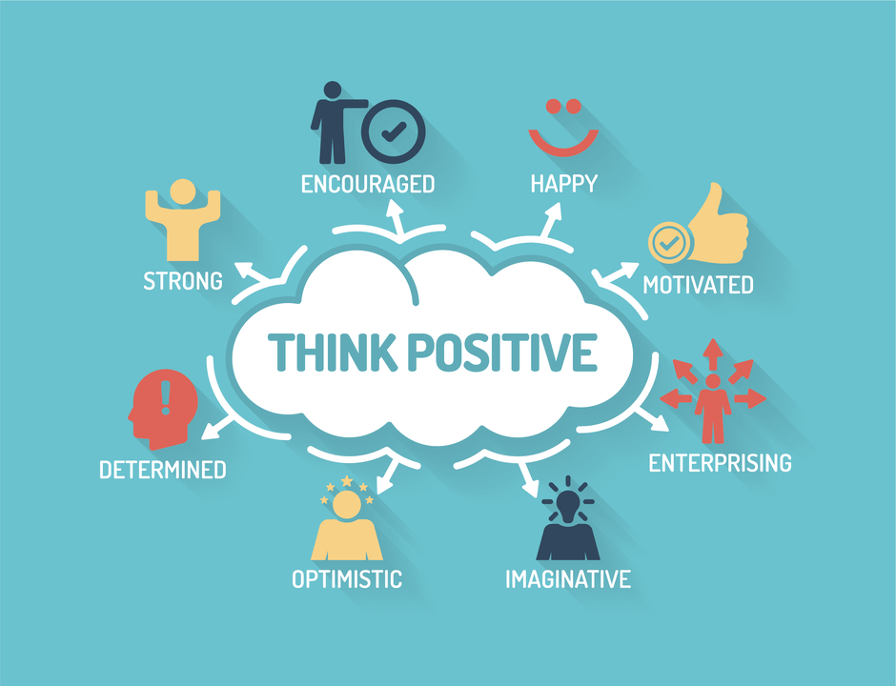
THE POWER OF POSITIVE THINKING: HOW IT CAN TRANSFORM YOUR MINDSET
Do you ever find yourself feeling stuck in negative thought patterns, struggling to see the good in situations or people? It’s easy to fall into this trap, but did you know that the way you think has a direct impact on your emotions, behavior, and overall well-being? By practicing positive thinking, you can transform your mindset and experience a more fulfilling, joyful life.
What is positive thinking?
It’s the practice of focusing on the good in situations, people, and yourself, rather than dwelling on the negative. Positive thinking doesn’t mean ignoring problems or pretending everything is perfect. Instead, it’s about approaching challenges with a hopeful, solution-focused mindset.
So, how can positive thinking transform your mindset? Here are some ways:
1. Increased Resilience: When you focus on the positive, you’re better equipped to bounce back from setbacks. Instead of getting stuck in negative self-talk or giving up, you’re able to see the potential for growth and learning in difficult situations.
2. Reduced Stress and Anxiety: Negative thoughts can create a cycle of stress and anxiety, leading to physical and emotional exhaustion. By practicing positive thinking, you’re able to reduce stress and anxiety, leading to improved overall well-being.
3. Improved Relationships: Positive thinking can help you see the good in others, leading to more fulfilling relationships. When you approach others with a positive mindset, you’re more likely to build trust and create positive interactions.
4. Increased Success: When you believe in yourself and your abilities, you’re more likely to achieve your goals. By focusing on the positive and staying solution-focused, you’re able to approach challenges with a growth mindset that can lead to greater success.
So, how can you start practicing positive thinking? Here are some tips:
1. Practice Gratitude: Take time each day to reflect on the things you’re grateful for. This can help shift your focus from the negative to the positive.
2. Challenge Negative Thoughts: When negative thoughts arise, challenge them with positive affirmations or evidence to the contrary.
3. Surround Yourself with Positive People: Seek out people who uplift you and support your positive mindset.
4. Focus on Solutions: When faced with a challenge, focus on finding solutions rather than dwelling on the problem.
In conclusion, positive thinking has the power to transform your mindset and improve your overall well-being. By practicing gratitude, challenging negative thoughts, surrounding yourself with positive people, and focusing on solutions, you can cultivate a positive mindset that will help you achieve your goals and live a more fulfilling life.
 YOUR MINDSET